

As a local tour guide in Viet Nam, I often see many people visiting Viet Nam and spending a long time in the airport when they buy a SIM card. Find the SIM card counter, ask for a SIM card, pay for it, find the SIM ejector tool, and read how to use it with a SIM card in Viet Nam. Travellers carrying a lot of luggage. Take a long time for that.
The people had been using SIM cards before, but had just arrived in Vietnam and turned on the SIM card. Take some time to find the tour guide or taxi, and go directly to the hotel.
Introduction
Staying connected is essential when traveling in Vietnam. From booking a ride after landing to finding your hotel in Hanoi’s Old Quarter, mobile internet helps you move confidently and save time. Many international tourists rely on maps, translation apps, and messaging services throughout their trip.
One of the first decisions you will face after landing is how to get internet access. A popular option is buying a Hanoi airport SIM card, but it is not the only choice. This guide will help you understand your options and choose what works best for your travel style.
Current Situation for Tourists
Common Connectivity Problems
Many travelers arrive in Vietnam without a clear plan for internet access. This often leads to a few common issues:
- Expensive roaming fees
Using your home SIM card can be extremely costly. Data charges add up quickly, especially if you use maps or social media. - Difficulty finding reliable Wi-Fi
While cafes and hotels often provide Wi-Fi, the quality is inconsistent. In busy areas like Hoan Kiem or Ha Long Bay, connections can be slow or unstable. - Confusing SIM card options
At the airport, you will see many counters offering SIM cards. Prices and data packages vary, and it is not always clear what you are getting. - Time pressure after landing
After a long flight, most travelers just want to get to their hotel quickly. Spending time comparing SIM plans at the airport can feel overwhelming.
Options for Internet in Vietnam
1. Airport SIM Card
Buying a SIM card at Hanoi’s Noi Bai Airport is one of the most common choices.
You will find multiple vendors right after arrival. They usually offer prepaid SIM cards with data packages ranging from a few days to a month.
Typical situation:
You land, go through immigration, and immediately see SIM counters. Staff will approach you and offer “unlimited data” deals.
2. Local SIM Card in the City
Another option is to buy a SIM card later in Hanoi city.
You can find official stores from major Vietnamese providers or small mobile shops in areas like the Old Quarter.
Typical situation:
You arrive at your hotel using Wi-Fi or offline maps, then buy a SIM the next day when you are more relaxed.
3. eSIM
An eSIM is a digital SIM that you can install before arriving in Vietnam. No physical card is required.
You simply scan a QR code, activate it, and your phone connects to a local network.
Typical situation:
Before your flight, you set up your eSIM. When you land, your internet works immediately.
Pros and Cons of Each Option
Airport SIM Card
Pros:
- Easy to buy right after landing
- Staff will help install and activate it
- Immediate internet access
Cons:
- Prices are often higher than in the city
- Packages may not match what is advertised
- Limited time to compare options
- Can feel rushed or pressured
Reality check:
Convenient, but not always the best value.
Local SIM Card in the City
Pros:
- Cheaper than airport options
- More choices and flexibility
- Can visit official stores for better reliability
Cons:
- You need internet first to navigate into the city
- Language barrier in smaller shops
- Takes extra time during your trip
Reality check:
Better value, but less convenient at the start.
eSIM
Pros:
- No need to swap physical SIM cards
- Works immediately upon arrival
- Can set up before traveling
- No risk of losing your original SIM
Cons:
- Requires a compatible phone
- Slightly more expensive than local SIM in some cases
- No in-person support if issues occur
Reality check:
Very convenient and increasingly popular among international travelers.
Recommendation
For most travelers, especially short-term visitors, eSIM is the most practical option.
It solves the biggest problems:
- No waiting at the airport
- No confusion about packages
- No need to handle physical SIM cards
If your priority is convenience and time, eSIM is the best choice.
However, if you are staying longer (2–4 weeks or more) and want to save money, buying a local SIM in the city can be a better strategy.
Airport SIM cards sit in the middle: convenient, but often overpriced.
Practical Tips for Using Mobile Internet in Vietnam
1. Check Your Phone Compatibility
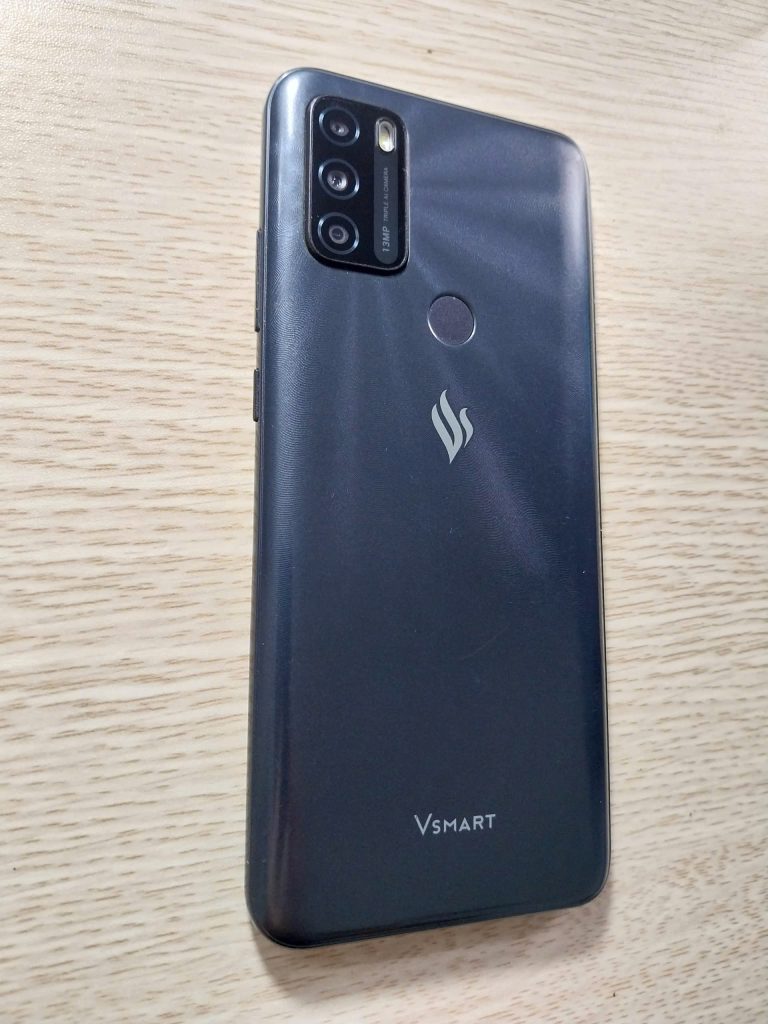
Before choosing eSIM, make sure your phone supports it. Most newer iPhones and high-end Android devices do.
2. Prepare Before You Arrive
If you choose eSIM:
- Install it before your flight
- Save the QR code offline
- Test activation if possible
This avoids stress after landing.
3. Use Offline Maps as Backup
Even with mobile data, always download offline maps (Google Maps works well). This is useful in areas with weak signal, such as:
- Ha Long Bay cruises
- Rural areas in Ninh Binh
- Mountain regions like Sapa
4. Avoid Public Wi-Fi for Sensitive Tasks
Public Wi-Fi in Vietnam is widely available but not always secure.
Avoid:
- Online banking
- Entering passwords
- Making payments
Use your mobile data instead.
5. Understand “Unlimited Data”
Some SIM packages advertise “unlimited data,” but speeds may drop after a certain limit.
Always ask or check:
- High-speed data allowance
- Daily limits
6. Keep Your Original SIM Safe
If you use a physical SIM:
- Store your original SIM card carefully
- Use a small case or wallet
Losing it can cause problems when you return home.
7. Use Internet for Key Travel Tasks
Mobile internet is especially useful in Vietnam for:
- Booking Grab rides (similar to Uber)
- Translating Vietnamese menus
- Navigating narrow streets in Hanoi Old Quarter
- Contacting your tour guide or hotel
- Checking weather before visiting Ha Long Bay
Conclusion
Choosing the right internet option in Vietnam depends on your priorities.
- Airport SIM card: convenient but often overpriced
- Local SIM in the city: cheaper but requires extra effort
- eSIM: the easiest and most time-saving solution
For most international tourists, especially those visiting for a short trip, eSIM offers the best balance of convenience and reliability.
A simple decision before your flight can save you time, stress, and money once you arrive in Hanoi.