
I Came to See Traditional Houses. I Found People Living in Them.
On November 3, 2025, I rode my motorbike west from Hanoi to the Vietnam National Village for Ethnic Culture and Tourism in Dong Mo.
I went alone and spent about three hours there.
I originally came mainly to see the traditional houses of Vietnam’s ethnic groups. I had seen photographs of the place before, but walking between the different areas gave me a very different impression.
It Felt Like Travelling Through Vietnam
The village brings traditional architecture from different parts of Vietnam into one large area.
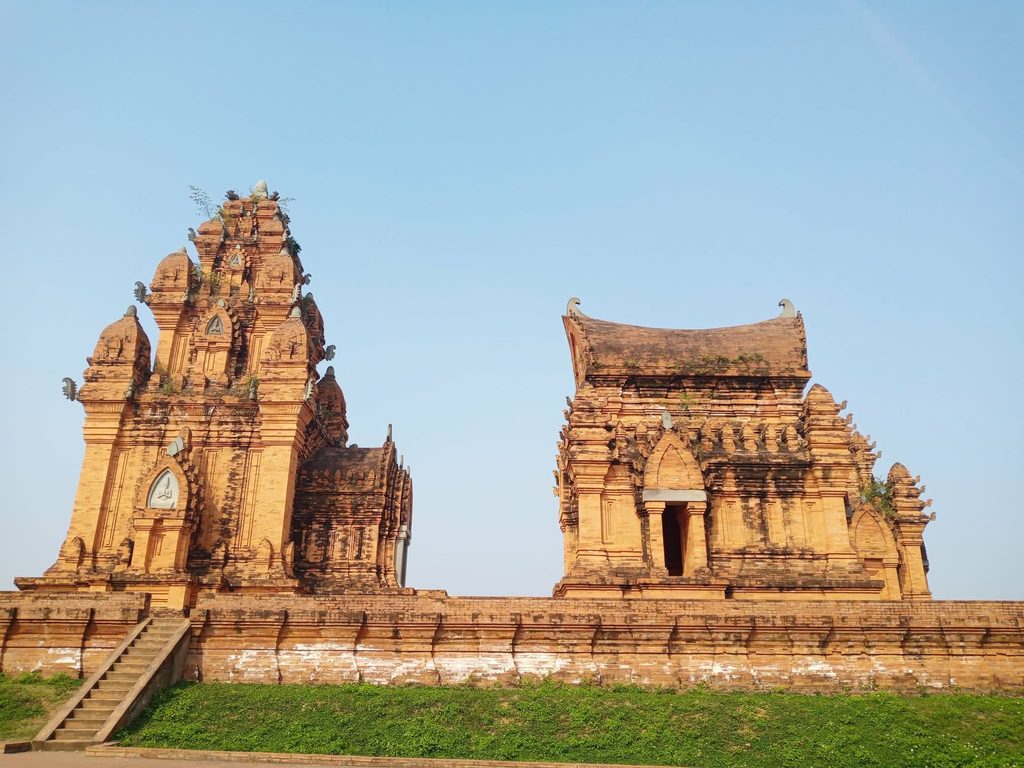
During my visit, I saw areas representing the Tay, Dao, Hmong, Nung, Muong, Lao, Thai, Ba Na, Ta Oi, Bru-Van Kieu, E De, Khmer, Cham and Cho Ro communities. I also visited a Khmer pagoda and a Cham tower.
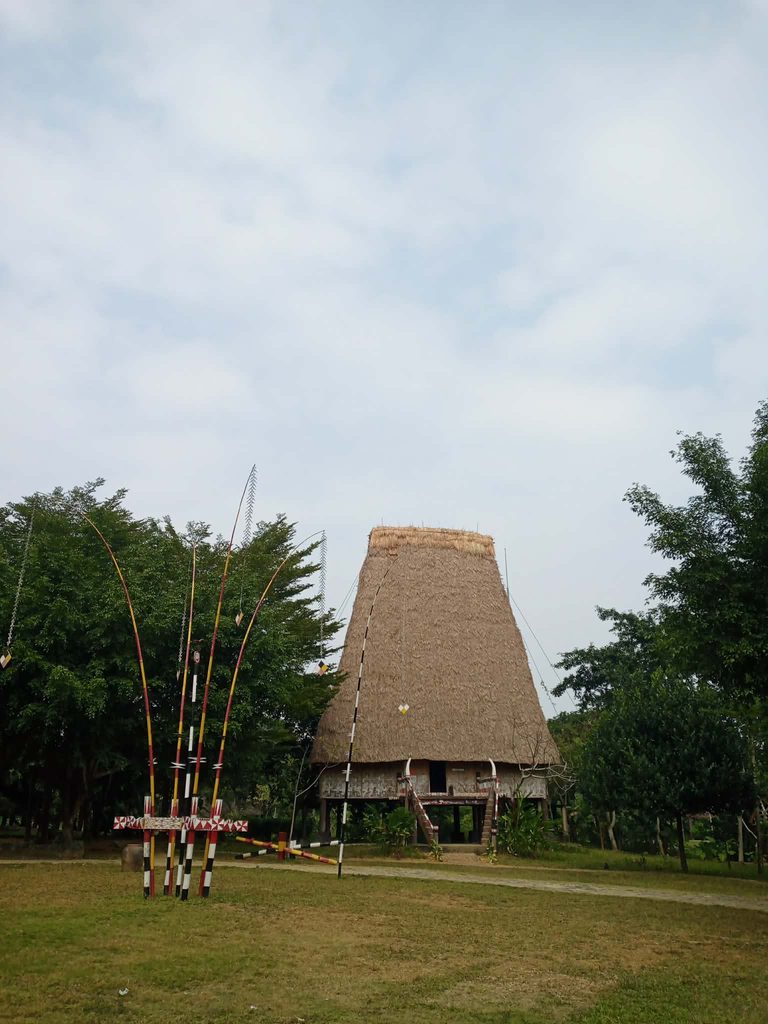
What I enjoyed most was the architecture.
Moving from one area to another felt a little like travelling from northern Vietnam towards Central and Southern Vietnam, with the traditional houses changing along the way.
The landscape was also attractive, and there were plenty of places where visitors were taking photographs.
But after walking around for a while, I noticed something more interesting than the buildings themselves.
These Were Not Just Empty Houses
Some of the traditional houses actually had people living in them.
I saw people cooking, washing clothes, keeping chickens and looking after cats. These were ordinary family activities rather than something that immediately looked like a performance for tourists.
At one E De traditional house, I noticed several cats and saw people feeding them.
It was a very small scene, but it changed how I looked at the place. Instead of seeing only reconstructed traditional houses, I was seeing parts of a living environment.
I also had a conversation with a young man at the Khmer traditional house.
He was wearing traditional Khmer clothing and had short hair. He asked me whether I was Khmer. He told me that he was Khmer and had moved here with his parents to live in the cultural village.
I asked whether people living there received any support from the management.
He told me that they received support every month.
That was probably the most interesting conversation I had during the visit because it made me realise that there was more happening here than simply displaying traditional architecture to visitors.
The Cham Tower Was My Favourite Part
I visited the Khmer pagoda and the Cham tower during my trip.
The Cham tower was the part that interested me most. I spent time looking around it and recorded it for my video.
The video is useful here because it shows the tower, the surrounding landscape and the experience of moving through the site much better than a written description can.
When I visited, some areas were also being renovated or developed. I saw work around the Khmer pagoda and some artificial landscape features, including rock formations.
This was one of the less interesting aspects for me. The site was not entirely finished or static, and some areas felt more like an ongoing development project.
There was also a noticeable difference between the houses where people were actually living and those that were empty. I found the occupied ones much more interesting.
Is It Worth Visiting?
For me, yes—especially if you are interested in traditional Vietnamese architecture and want to see examples from different ethnic communities in one trip.
The most interesting part was not simply counting how many different ethnic groups were represented. It was seeing the differences between the houses and then noticing the people living their everyday lives inside some of them.
If you are an international traveller, I think the site is particularly suitable because you can see a broad range of Vietnam’s ethnic cultures without travelling to every region of the country.
But don’t plan only a quick stop. I spent around three hours there, and even that felt like a minimum. There is quite a lot of walking, although the electric shuttle makes it easier to move between the different areas.
Bring drinking water and wear relatively modest clothing, particularly when visiting cultural or religious spaces.
Watch My Visit
I filmed the journey from Hanoi by motorbike, buying my ticket, taking the electric shuttle and walking through the different ethnic village areas.
The video also shows the traditional houses, people living there, the Khmer pagoda and, most importantly, the Cham tower.
If you want to see what I actually saw during my visit, especially the Cham tower, watch the video here:
Staying Connected in Vietnam
If you are travelling around Vietnam, mobile data is useful for maps, translation, messaging, ride-hailing and finding travel information.
If your phone supports eSIM, it can be a convenient way to get connected without having to buy a physical SIM card after arriving.