
Son Tay Ancient Citadel: A Practical Guide for Visitors from Hanoi
If you want to see a different side of Hanoi beyond the Old Quarter, Hoan Kiem Lake, and the city’s famous temples, Son Tay Ancient Citadel is worth considering.
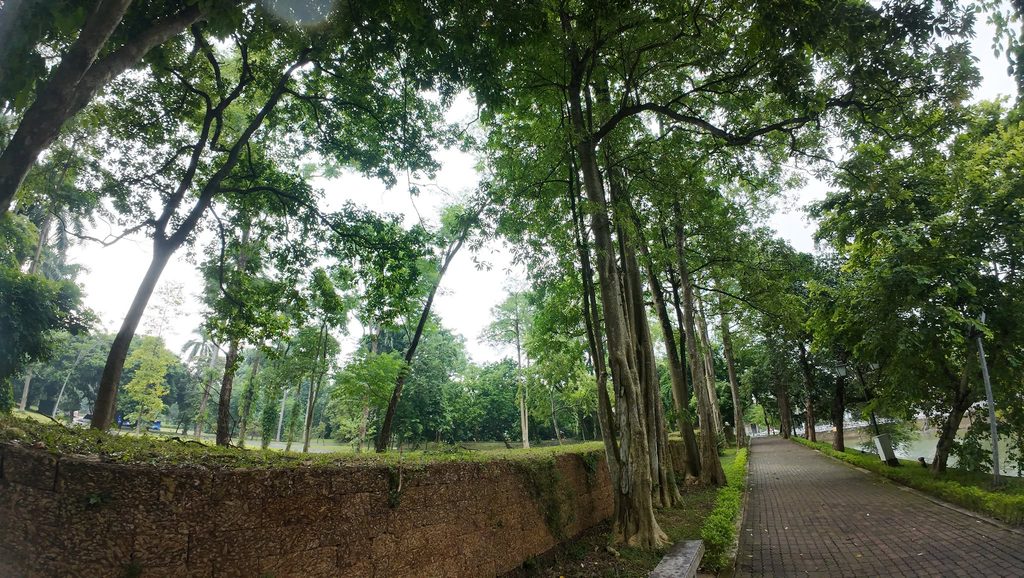
Located in the center of Son Tay town, about 40 km west of central Hanoi, the citadel is a relatively quiet historical site surrounded by large old trees, a moat, and local residential areas. Unlike some of Vietnam’s major attractions, it is not designed primarily for mass tourism. A visit here feels more like exploring a historic part of a Vietnamese town.
The citadel is particularly interesting for travelers who enjoy architecture, military history, photography, and quieter places. It can also be combined with nearby attractions such as Duong Lam Ancient Village for a full-day trip from Hanoi.
Overview
Son Tay Ancient Citadel was built in 1822 during the reign of Emperor Minh Mang of the Nguyen Dynasty. It was an important military and administrative center protecting the western approach to Thang Long, the former name of Hanoi.
The citadel was built mainly from laterite, a reddish-brown stone commonly found in the Son Tay area. Its walls, gates, and other structures give the site a distinctive appearance.
The original citadel had a roughly square layout, four main gates, defensive walls, watchtowers, and a surrounding moat. Much of the original complex was damaged or destroyed over time, but several important features remain.
Today, the site is recognized as a national historical and architectural relic.
One of its biggest advantages for independent travelers is its atmosphere. The citadel is located inside Son Tay town rather than in an isolated tourist complex, so you can see parts of everyday local life around the historic site.
Is Son Tay Ancient Citadel worth visiting?
Yes, if you are interested in:
- Vietnamese history and military architecture
- Traditional laterite construction
- Photography and old trees
- Quiet places away from Hanoi’s busiest tourist attractions
- Combining several attractions into a western Hanoi day trip
It may be less interesting if you are looking for a large, fully restored imperial complex with extensive museums and exhibitions.
How to Get There
Son Tay Ancient Citadel is approximately 40 km from central Hanoi. The journey generally takes around 1–1.5 hours, depending on traffic and your starting point.
By private car or taxi
This is the easiest option for most international visitors. You can travel west from Hanoi toward Son Tay town and then continue to the citadel in the town center.
A private car is particularly practical if you want to combine the citadel with Duong Lam Ancient Village, which is nearby.
By motorbike
Experienced riders can reach Son Tay by motorbike. The journey gives you more flexibility to stop at local villages, cafés, and other places along the way.
However, allow extra time if you are unfamiliar with Vietnamese traffic.
If you are traveling independently, having mobile data makes navigation and ride-hailing much easier.
As part of a day tour
A combined Son Tay Citadel + Duong Lam Ancient Village itinerary makes more sense than traveling all the way from Hanoi only to spend a short time at the citadel.
If you are already visiting western Hanoi attractions such as Duong Lam, Son Tay Ancient Citadel can be a convenient additional stop.
What to See
The Laterite Walls
The laterite walls are one of the most distinctive features of Son Tay Ancient Citadel.
Laterite was widely used as a local building material in the Son Tay area. The reddish-brown stone has weathered over time, creating the old, rough appearance that makes the citadel different from many other historical sites in Vietnam.
Take some time to look closely at the walls rather than simply walking past them. The combination of laterite, moss, trees, and old masonry creates some of the best photographic details at the site.
The Ancient Gates
The original citadel had four gates facing different directions. The gates were part of the defensive system and were associated with watchtowers and military positions.
The remaining gates and walls give visitors an idea of how the citadel was organized as a military stronghold.
The Flag Tower
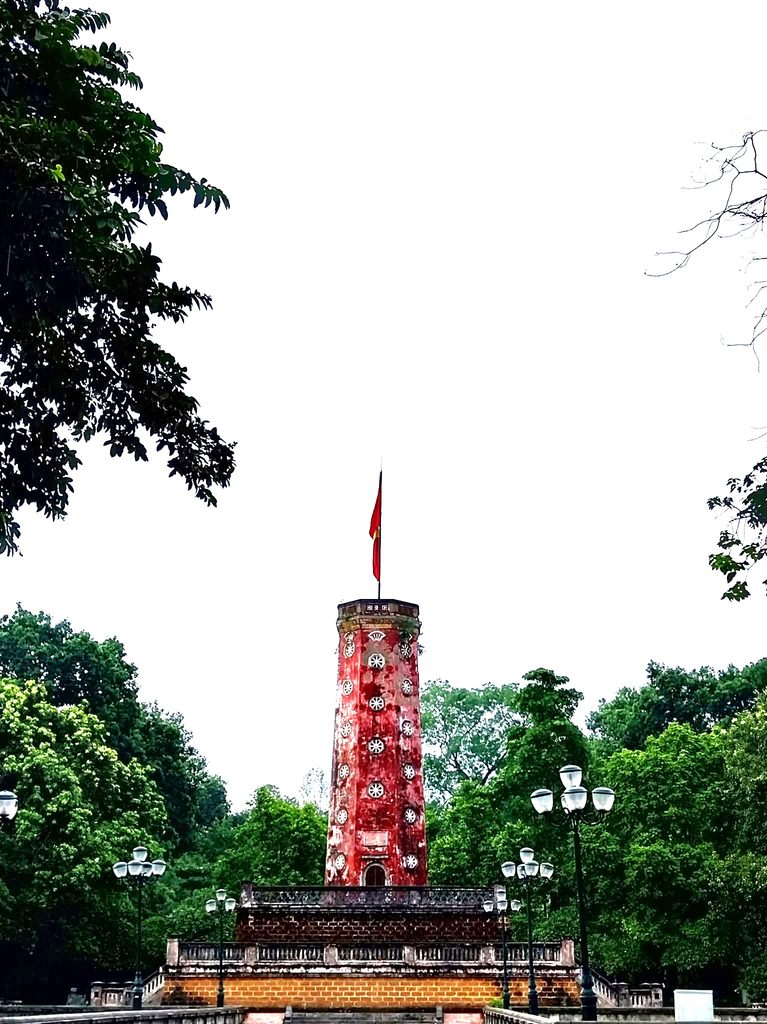
The central flag tower is one of the most recognizable structures inside the citadel.
The tower is approximately 18 meters high and originally served as an observation and signaling structure.
It is one of the first structures to look for when walking through the central area.
Kinh Thien Palace
Kinh Thien Palace was an important building within the citadel and was associated with royal visits and official ceremonies.
Much of the original complex no longer survives, but the remaining structures and foundations help visitors understand the layout of the former administrative center.
The Moat
A moat once surrounded the citadel as part of its defensive system.
Today, the moat and the greenery around it contribute to the peaceful atmosphere of the area. Walking around the outside of the citadel can be as interesting as exploring the structures inside.
Old Trees and Local Atmosphere
One of the most enjoyable aspects of Son Tay Ancient Citadel is not a particular monument but the environment.
Large old trees grow around the site, and some of their roots extend over the weathered walls and gates. The combination of greenery, old architecture, and relatively few international tourists gives the citadel a slower pace than many attractions in central Hanoi.
Before You Visit
Allow enough time
You do not need an entire day to explore the citadel itself.
For most visitors, around 45–90 minutes is enough to walk around, take photographs, see the main structures, and experience the atmosphere.
If you are combining it with Duong Lam Ancient Village or other attractions in Son Tay, plan the whole day rather than treating the citadel as a standalone destination.
Wear comfortable shoes
The site is suitable for walking, but the ground and paths can be uneven in places. Comfortable walking shoes are a better choice than sandals or formal shoes.
Visit earlier or later in the day
Vietnam can be hot and humid, particularly during the summer.
Morning or late afternoon is generally more comfortable for walking and photography than the middle of the day.
Do not expect a major tourist complex
This is important for first-time visitors.
Son Tay Ancient Citadel is a historical relic rather than a large modern tourist attraction. Some structures have been lost, and the experience is more about seeing the remaining architecture and atmosphere than visiting a large collection of indoor exhibitions.
Combine your visit with other attractions
If you are traveling from Hanoi, combining the citadel with nearby Duong Lam Ancient Village is a more efficient use of your travel time.
You can also explore other attractions around Son Tay depending on your interests and available time.
7. Guide’s Personal Notes
I visited Son Tay Ancient Citadel in the afternoon. When I arrived, the area around the citadel felt much more open and spacious than I expected. There is a broad low-lying area and a long road running alongside the site.
It started raining while I was there, but I decided to continue walking. I walked along the road for quite a while, with the rain making the surroundings feel especially quiet.
As I walked around the citadel, I noticed how the surrounding landscape could have been useful for defense in the past. The waterways and low-lying areas around the citadel made me wonder whether the natural landscape was also considered when the citadel was built.
For me, this was one of the more interesting parts of visiting Son Tay Ancient Citadel. Instead of only looking at the remaining walls and buildings, walking around the area helped me imagine what the site might have been like when it was still an important military stronghold.
Mobile Data & eSIM
If you are visiting Son Tay from Hanoi independently, having mobile data is useful for navigation, translation, ride-hailing, checking maps, and finding your way back to Hanoi.
Because Son Tay is outside central Hanoi, I recommend arranging your mobile data before leaving the city rather than waiting until you arrive.
For travelers who do not want to buy and install a physical Vietnamese SIM card, an eSIM can be a convenient option. You can purchase a plan online, install it before your trip, and activate it when you need mobile data.
If you are visiting several destinations in Vietnam, it is worth comparing the coverage, data allowance, validity period, and price before choosing a VietNam eSIM.
Conclusion
Son Tay Ancient Citadel is not one of Hanoi’s most famous tourist attractions, but that is part of its appeal.
For travelers interested in Vietnamese history, architecture, photography, and quieter local environments, it offers a different experience from the major attractions in central Hanoi.
The best way to visit is to combine it with other destinations around Son Tay, especially Duong Lam Ancient Village, rather than making a long journey from central Hanoi only for the citadel.
If you have an extra day for exploring the areas west of Hanoi, Son Tay Ancient Citadel is a worthwhile stop for understanding another part of the capital’s history and surrounding countryside.