
Thay Pagoda: A Practical Travel Guide for Visitors to Vietnam
Thay Pagoda is a historic Buddhist temple complex in Hanoi’s suburban area, surrounded by limestone hills, small lakes, and traditional villages. It is a quieter destination than many of Hanoi’s better-known attractions and can be a good choice for travelers who want to see a different side of northern Vietnam.
The pagoda is especially interesting if you enjoy religious architecture, Vietnamese culture, photography, or short walks in a rural setting.
For first-time visitors, Thay Pagoda can work well as a half-day trip from Hanoi, either independently or as part of a day tour.
Overview
Thay Pagoda, also known as Thầy Pagoda, is located in Quốc Oai District, west of central Hanoi.
The complex is associated with Từ Đạo Hạnh, a Vietnamese Buddhist monk traditionally connected with the development of the site. The pagoda was built and expanded over different periods, so visitors can see several layers of traditional Vietnamese religious architecture.
One of the most distinctive features is the natural landscape around the pagoda. Mountains, ponds, trees, and village roads create a very different atmosphere from the busy streets of central Hanoi.
You do not need a full day to explore the main area. Most visitors can see the principal sights in around 1–2 hours, depending on how much time they spend walking, taking photos, and exploring the surrounding area.
How to Get There
Thay Pagoda is approximately 25–30 km from central Hanoi, depending on your starting point.
By taxi or ride-hailing app
A private car or ride-hailing service is one of the easiest options for independent travelers. The journey usually takes around 45–60 minutes, but travel time depends heavily on traffic.
For a more comfortable visit, consider arranging a round trip rather than relying on finding another car when you are ready to leave.
By private car or day tour
Joining a day tour can be more convenient if you want to combine Thay Pagoda with other attractions in the surrounding area.
A private car is also useful for travelers who prefer flexibility and want to spend more time exploring nearby villages or other cultural sites.
By motorbike
Experienced riders can travel to Thay Pagoda by motorbike. This gives you more freedom to explore the countryside along the way.
However, traffic conditions outside central Hanoi can be different from what first-time visitors are used to, so motorbike travel is better suited to confident riders.
What to See
The Main Pagoda Complex
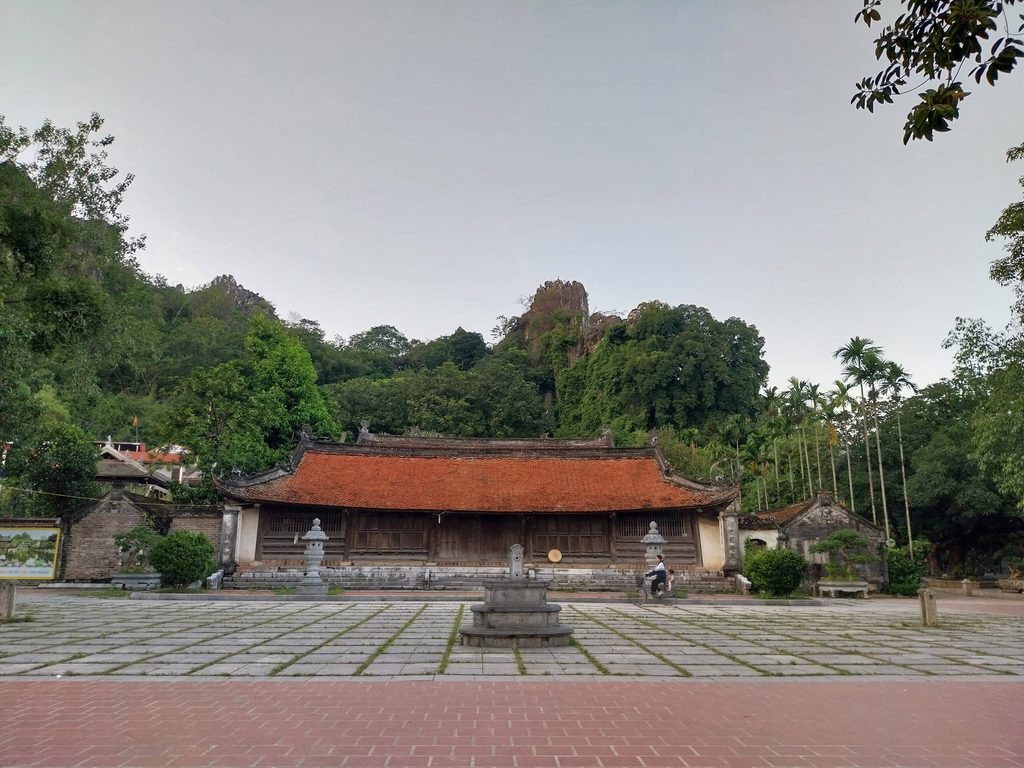
The main pagoda complex is the primary reason to visit. Take some time to walk around rather than simply stopping for a few photos.
You can see traditional Vietnamese Buddhist architecture, decorative details, incense, statues, and religious spaces that are still used by local visitors.
The Lake and Water Pavilion
A small lake in front of the pagoda creates one of the most recognizable views of the site.
The water pavilion is particularly interesting because it forms part of the traditional landscape design and provides a good place to appreciate the relationship between the buildings and surrounding nature.
The Stone Steps and Hillside Area
Thay Pagoda is surrounded by hills, and some areas require walking uphill.
If you have time and the weather is comfortable, walking beyond the main pagoda area gives you a better sense of the landscape.
Wear comfortable shoes, especially if you plan to explore the higher areas.
Local Village Surroundings
One advantage of visiting Thay Pagoda is that the experience is not limited to the temple itself.
The surrounding area has a more rural atmosphere than central Hanoi. You may see local homes, farms, small roads, and everyday activities that are quite different from the tourist areas in the city center.
Before You Visit
A few practical points can make the visit easier.
Allow enough time. Around 1–2 hours is reasonable for the main complex, but you may want longer if you enjoy walking and photography.
Wear comfortable shoes. Some areas involve steps and uneven surfaces.
Dress respectfully. Thay Pagoda is an active religious site. Clothing that covers the shoulders and knees is a sensible choice.
Bring water. Walking around the hills can become uncomfortable in hot weather.
Visit earlier in the day if possible. The weather is generally more comfortable in the morning, particularly during Vietnam’s hotter months.
Check the weather. Rain can make stone steps and outdoor paths slippery.
Respect religious activities. Avoid loud conversations, do not disturb people who are praying, and follow any signs or local instructions.
A Guide’s Personal Experience.
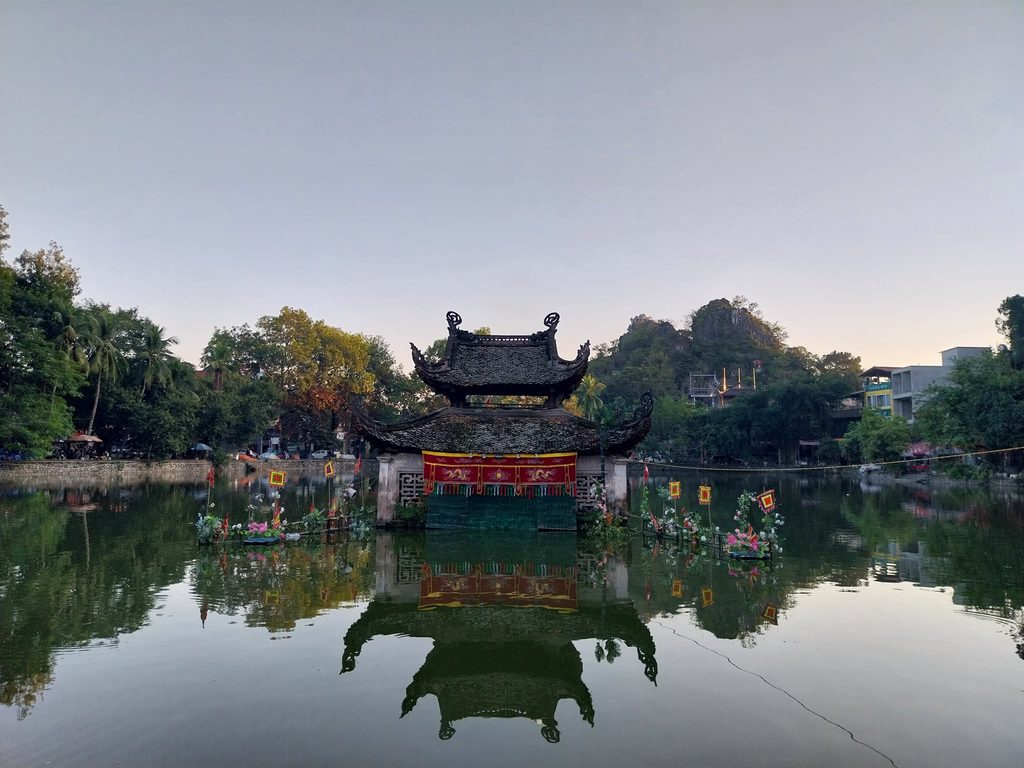
I visited Thay Pagoda in the afternoon. There is a small lake near the pagoda, and I noticed that many local people living nearby use the area as part of their daily life.
Some people were exercising, such as running around the lake, while others were chatting together. There were also street vendors selling snacks to schoolchildren.
I really enjoyed the peaceful atmosphere around the lake. It felt less like a typical tourist attraction and more like a place where local people come to exercise, meet friends, and spend time together.
Mobile Data & eSIM
Having mobile data is useful when visiting Thay Pagoda, particularly if you are traveling independently.
You may need internet access for:
- Navigation and maps
- Ride-hailing apps
- Checking opening information
- Translating Vietnamese signs or menus
- Contacting your hotel or driver
- Finding your way back to Hanoi
If you are visiting Vietnam for the first time, an eSIM can be a convenient alternative to buying a physical SIM card after arrival. You can purchase a plan before your trip and activate it when you need mobile data.
→ Check Vietnam eSIM options before your trip.
For travelers who plan to visit several destinations in Vietnam, such as Hanoi, Ninh Binh, Ha Long Bay, Hue, Hoi An, or Ho Chi Minh City, choosing an eSIM with enough data for the entire trip can be more convenient than purchasing separate SIM cards in different places.
Conclusion
Thay Pagoda is worth considering if you want to experience a quieter cultural attraction outside central Hanoi.
It is not the best choice if you are looking only for Hanoi’s major city landmarks or have very limited time. However, if you have a half-day available and are interested in Buddhist architecture, traditional Vietnamese culture, and rural landscapes, Thay Pagoda can be a worthwhile addition to your Hanoi itinerary.
For independent travelers, the main things to plan are transportation, comfortable walking shoes, appropriate clothing, and enough mobile data for navigation.