
Tay Phuong Pagoda Travel Guide: What to See and How to Visit
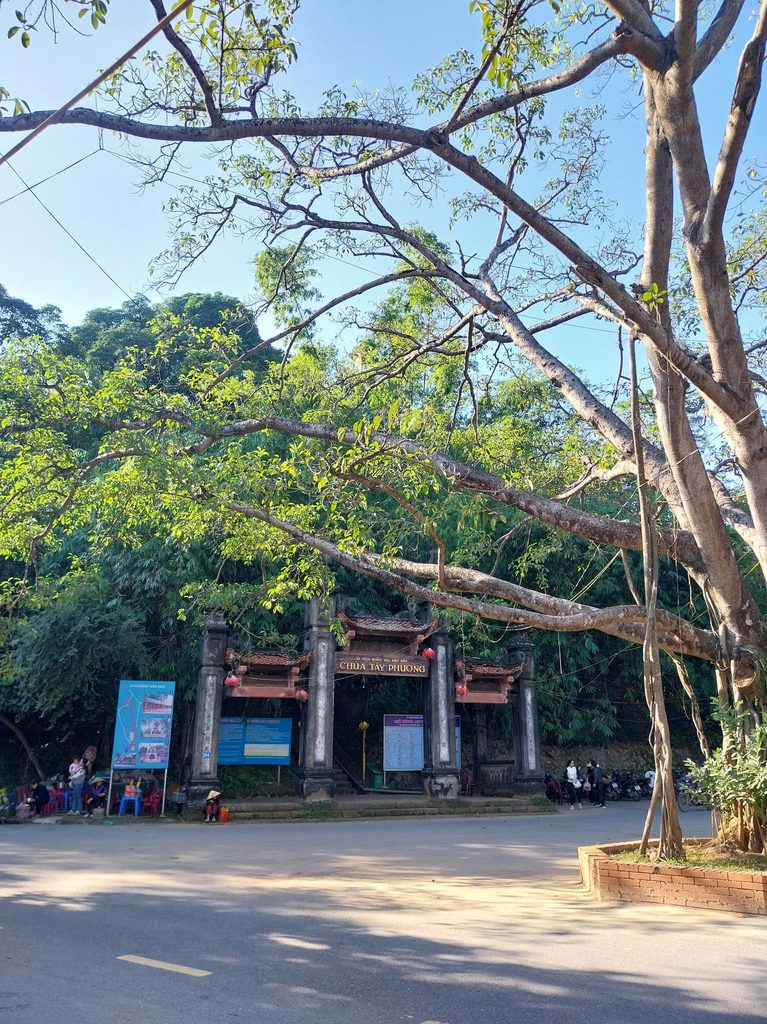
Tay Phuong Pagoda is one of the more unusual Buddhist sites around Hanoi. Instead of being located in the city center, the pagoda sits on Tay Phuong Mountain in Thach That District, about 30–40 km west of central Hanoi.
The main reason to visit is not simply the age of the pagoda. Tay Phuong is particularly interesting for its traditional architecture and its collection of wooden Buddhist sculptures, including expressive statues that are very different from the more standardized Buddha images found at many other pagodas.
For first-time visitors to Vietnam, Tay Phuong Pagoda can be a good choice if you want to see a quieter cultural site outside the usual Hanoi attractions. However, it requires some walking and climbing, so it may not be suitable for everyone.
Overview
Tay Phuong Pagoda, also known as Sung Phuc Pagoda, is located in Yen Village, Thach Xa Commune, Thach That District, Hanoi.
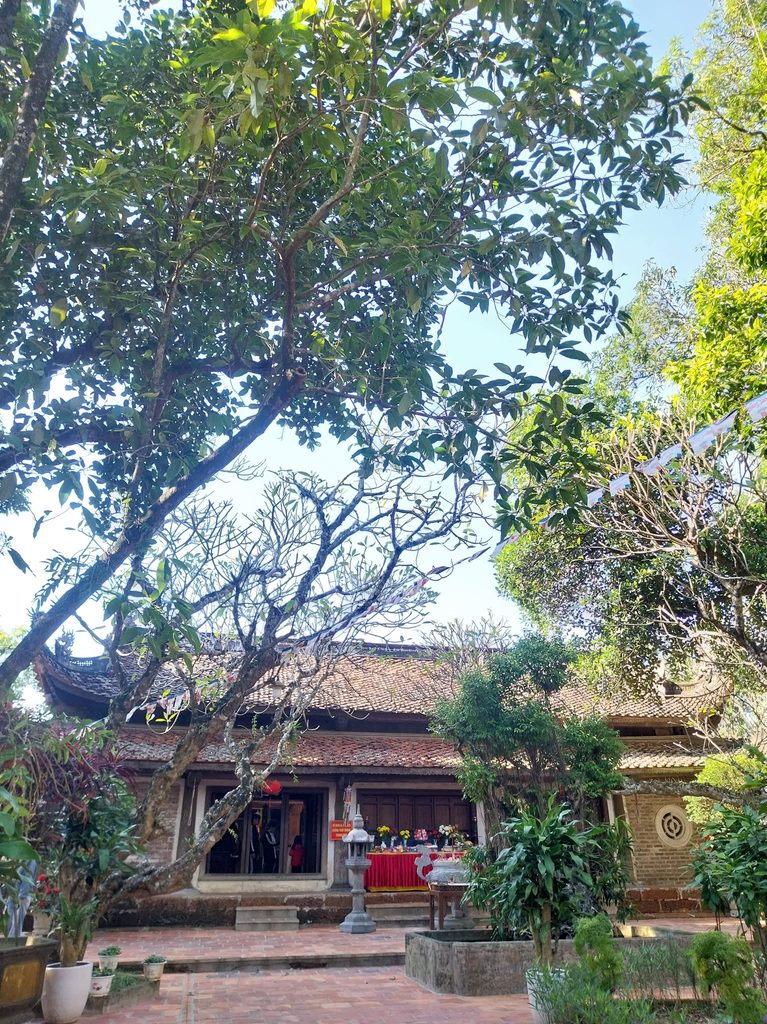
The pagoda is built on a hill and consists of three main buildings arranged along the slope. This gives the complex a different appearance from many pagodas built on flat ground.
The site is best known for its traditional Vietnamese architecture and wooden sculptures. Many of the sculptures date from the 18th and 19th centuries, and the collection is considered an important example of Vietnamese Buddhist sculpture.
One thing to keep in mind is that Tay Phuong Pagoda is not a quick roadside attraction. You need to climb a long stone staircase from the lower area to reach the main pagoda. Sources commonly describe the climb as around 239 stone steps.
Is Tay Phuong Pagoda worth visiting?
It is worth considering if you:
- Are interested in Vietnamese Buddhist culture and traditional architecture.
- Enjoy visiting less touristy places around Hanoi.
- Want to see historic wooden sculptures.
- Do not mind walking uphill and climbing stairs.
- Are combining it with other attractions in western Hanoi.
If you only have one day in Hanoi and want to see the city’s most famous attractions, Tay Phuong Pagoda may not be a priority because of its distance from the center.
How to Get There
Tay Phuong Pagoda is approximately 30–40 km west of central Hanoi, depending on your starting point and route.
By private car or taxi
A private car or taxi is one of the easiest options for independent travelers. The journey usually takes longer than visiting attractions within central Hanoi because of traffic and the distance.
If you are traveling with several people, hiring a private car can also make sense because you can combine Tay Phuong Pagoda with other attractions in the same area.
By motorbike
Experienced riders can travel to Tay Phuong Pagoda by motorbike. This gives you more flexibility to explore the countryside and villages around Thach That.
However, if you are not comfortable riding in Vietnamese traffic, a private car is a safer and more convenient choice.
By day tour
Tay Phuong Pagoda can also be visited as part of a day tour from Hanoi, particularly tours covering cultural attractions in the western part of the city.
If you join a group tour, check the itinerary carefully. Some tours may only stop for a short time, while others allow enough time to climb the hill and explore the pagoda.
What to See
The three pagoda buildings
One of the first things you will notice is the unusual layout of the complex.
The three main buildings are positioned one after another on the hillside. They are traditionally known as the Lower Pagoda, Middle Pagoda and Upper Pagoda.
The buildings are relatively compact, with distinctive curved roofs and traditional decorative details.
Rather than looking for one enormous structure, take time to look at the relationship between the three buildings and how they fit into the hillside.
The wooden Buddhist sculptures
The sculptures are probably the main reason to visit Tay Phuong Pagoda.
The complex contains around 72 wooden statues, many of which are made from jackfruit wood and decorated in traditional Vietnamese styles.
Some of the most interesting sculptures are the large figures traditionally associated with Buddhist patriarchs or Arhats. Their facial expressions and body positions are particularly striking.
Instead of all looking peaceful and identical, the figures have different expressions, gestures and poses. This gives them a surprisingly human appearance.
The 18th-century sculpture tradition
Many of the sculptures are generally dated to the late 18th century, while some others are associated with the 19th century.
For visitors interested in Vietnamese art, this is more important than memorizing the exact history of the pagoda.
Look closely at the faces, hands, clothing and posture of the figures. These details are what make the collection special.
Traditional architecture
The roofs are another feature worth paying attention to.
The curved roof corners, wooden structures, exposed brick walls and decorative details create a very different atmosphere from modern buildings in Hanoi.
The architecture is also a good example of how traditional Vietnamese religious buildings were adapted to a hillside environment.
The stone staircase
The climb itself is part of the experience.
The staircase from the lower area to the pagoda is made of laterite stone and contains roughly 239 steps according to several sources.
Take your time, especially during hot weather. The climb is not technically difficult, but it can be tiring if you are not used to walking uphill.
Before You Visit
Wear comfortable shoes
Good walking shoes are recommended. The site involves stairs and uneven surfaces, so flip-flops are not the best option.
Bring water
There is a significant uphill walk to the pagoda. Carrying a bottle of water is a simple way to make the visit more comfortable.
Dress appropriately
Tay Phuong Pagoda is a Buddhist place of worship. Wear clothes that are respectful and reasonably modest, particularly when entering the worship areas.
Avoid being too loud
Remember that this is still a functioning religious site, not only a tourist attraction.
Keep your voice down inside the pagoda and avoid disturbing people who are praying.
Be careful when taking photographs
Photography may be possible in some areas, but visitors should avoid using flash around religious statues unless it is clearly permitted.
If other people are praying, give them space rather than taking photographs directly in front of them.
Allow enough time
Do not plan the visit as a five-minute photo stop.
Allow enough time for the climb, the three main buildings, the sculptures and the surrounding area. If you are visiting independently, around 1–2 hours can be a reasonable starting point, depending on your walking speed and how much time you spend looking at the sculptures.
Check local conditions before going
Opening arrangements, entrance fees and local access can change, particularly around festivals or during restoration work.
For this reason, it is better to check the latest local information before making a special trip from central Hanoi.
A Guide’s Personal Experience.
One beautiful day, I visited Tay Phuong Pagoda with two of my friends. On the way up the hill to the pagoda, we saw two chickens fighting. Some families living near the pagoda raise chickens, so it was quite common to see them around the area. We stopped there for a few minutes to watch the chickens before continuing up to the pagoda.
Mobile Data & eSIM
If you are visiting Tay Phuong Pagoda independently, having mobile data is useful for navigation, checking maps and communicating with your driver.
Because Tay Phuong Pagoda is outside central Hanoi, it is especially useful to have your mobile connection working before you leave the city.
For international visitors, an eSIM can be a convenient option because you can arrange your mobile data before arriving in Vietnam and avoid looking for a physical SIM card after landing.
When should you buy a Vietnam eSIM?
If you plan to use Google Maps, translation apps, ride-hailing apps or messaging services during your trip, having mobile data from the beginning of your Vietnam trip can make things easier.
You can compare Vietnam eSIM plans and choose one based on your travel duration and expected data usage.
Before purchasing, check the coverage, data allowance, validity period and whether your phone supports eSIM.
Conclusion
Tay Phuong Pagoda is not one of the easiest attractions to visit from central Hanoi, but that is also part of its appeal.
The combination of a hillside location, traditional architecture and expressive wooden Buddhist sculptures makes it different from many of the better-known pagodas in Hanoi.
For travelers who have extra time and want to explore beyond the city center, Tay Phuong Pagoda can be a worthwhile cultural stop.
If you are visiting independently, plan for the journey, wear comfortable shoes and allow enough time for the climb and the sculptures. If you are visiting as part of a day tour, check how much time the itinerary gives you at the pagoda before booking.