
Thang Long Imperial Citadel: A Practical Guide for First-Time Visitors
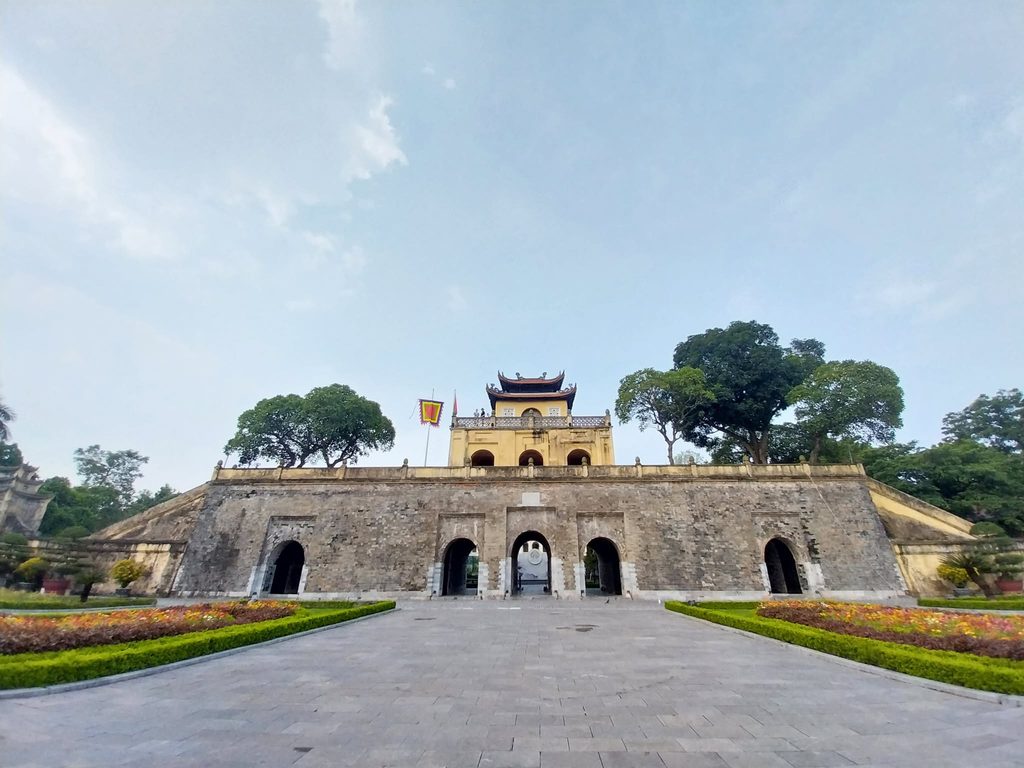
Thang Long Imperial Citadel.
If you are visiting Hanoi for the first time, Thang Long Imperial Citadel is one of the historical sites worth considering, especially if you are interested in Vietnam’s history and want to see a different side of the city.
Located in central Hanoi, the citadel was once an important political center of Vietnam for many centuries. Today, the site includes ancient architectural remains, archaeological areas, old gates, and buildings connected with different periods of Vietnamese history.
It is not a destination that requires a full day. For most independent travelers, around 1 hour is enough to explore the main areas at a comfortable pace.
If you are already visiting other attractions in central Hanoi, such as the Temple of Literature or Ho Chi Minh Complex, the Imperial Citadel can also fit naturally into your itinerary.
Overview
Thang Long Imperial Citadel is a large historical complex in the center of Hanoi. It was recognized as a UNESCO World Heritage Site in 2010 because of its historical and archaeological significance.
The site represents more than one period of Vietnamese history. Different layers of remains show how the area developed and changed over many centuries.
For visitors, however, you do not need to know the entire history before coming here. The main experience is walking through the archaeological remains, historic structures, gates, courtyards, and other surviving parts of the former imperial complex.
One of the most recognizable structures is Doan Mon Gate, which was an important entrance to the central area of the imperial citadel. Another well-known landmark is Hanoi Flag Tower, although the tower is located in the wider historic complex rather than inside the main archaeological area.
The site is relatively spacious, so comfortable walking shoes are recommended.
How to Get There
Thang Long Imperial Citadel is located in central Hanoi and is relatively easy to reach from the Old Quarter and other popular tourist areas.
By taxi or ride-hailing service
For independent travelers, using a taxi or a ride-hailing app such as Grab is one of the easiest options.
Enter Thang Long Imperial Citadel as your destination and check the entrance point before starting your journey.
Mobile data is useful if you are using Google Maps, booking a ride, or checking directions while travelling around Hanoi.
By walking
If you are staying in central Hanoi, walking may be possible depending on your hotel location. However, the distance can be longer than it looks on a map, particularly in Hanoi’s hot and humid weather.
If you plan to combine the citadel with other attractions, check the walking distances between each site before starting your route.
By day tour
The Imperial Citadel can also be visited as part of a Hanoi sightseeing itinerary. This can be convenient if you want transportation and several attractions organized in one day.
However, an organized tour may give you less time to explore independently, so check the itinerary before booking if this is important to you.
What to See
Doan Mon Gate
Doan Mon is one of the most recognizable structures within the Imperial Citadel.
The gate was connected with access to the central area of the imperial complex. Its traditional architecture makes it one of the main places to stop for photographs.
Archaeological Site at 18 Hoang Dieu
The archaeological area at 18 Hoang Dieu is one of the most important parts of the heritage site.
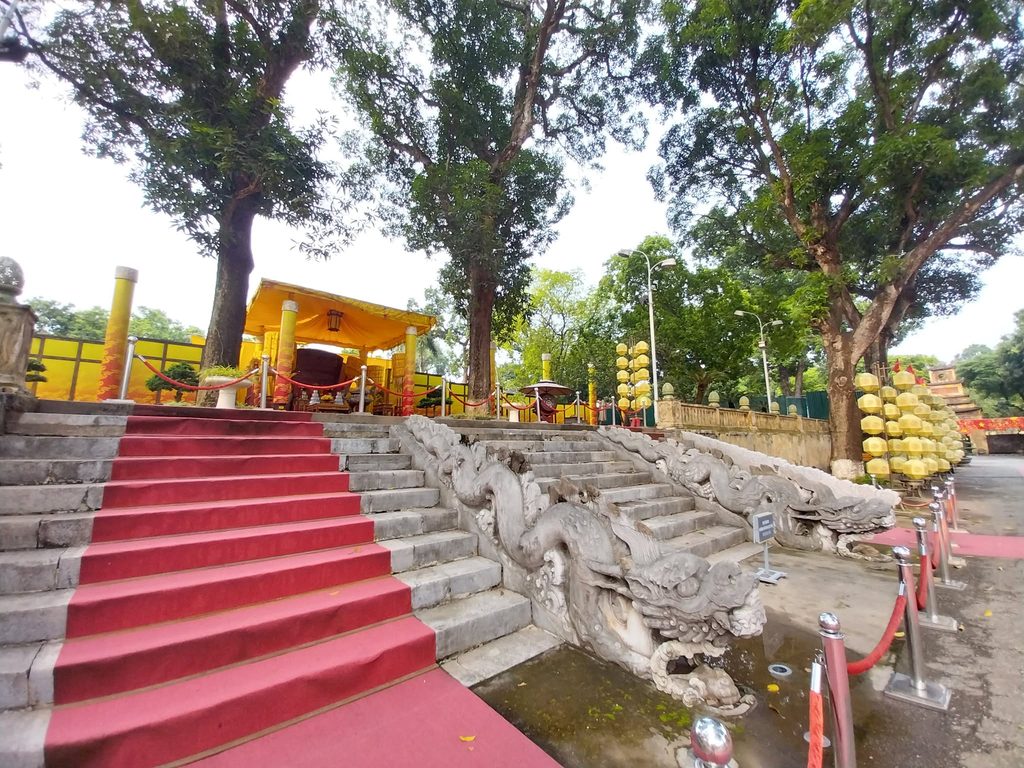
Excavations have revealed architectural foundations and other remains from different historical periods. This gives visitors a chance to see evidence of how the imperial center developed over time.
For travelers interested in archaeology, this area can be particularly interesting because you are not simply looking at reconstructed buildings. You can see physical remains from different layers of the site’s history.
D67 Building and Tunnel
The D67 building and underground tunnel are associated with Vietnam’s modern military history.
The area was used by the Vietnamese military during the Vietnam War and provides a different perspective from the older imperial structures elsewhere in the citadel.
If you are interested in Vietnam’s 20th-century history, this is an area worth spending some time exploring.
Hanoi Flag Tower
The Hanoi Flag Tower is one of the most recognizable historic structures in this part of the city.
It dates from the Nguyen Dynasty period and later became an important symbol of Hanoi.
The tower is located near the wider complex and can be combined with other attractions in the area depending on your route.
Historic courtyards and architectural remains
Do not focus only on the major landmarks.
Part of the experience is simply walking through the grounds and looking at the surviving structures, foundations, trees, and open spaces.
Compared with some of Hanoi’s smaller attractions, the Imperial Citadel gives you more space to walk around and explore at your own pace.
Before You Visit
Allow enough time
Around 1 hour is a reasonable amount of time for a typical visit.
If you are particularly interested in history, archaeology, or photography, you may want to stay longer.
Wear comfortable shoes
You will spend much of your visit walking outdoors. Comfortable shoes are more useful here than formal footwear.
Prepare for the weather
Hanoi can be hot and humid, particularly during the warmer months.
Bring water and consider carrying an umbrella or wearing a hat when the weather is sunny.
Rain can also affect your visit, so checking the forecast before leaving your hotel is useful.
Dress appropriately
The Imperial Citadel is a historical and cultural site. Comfortable clothing is suitable, but visitors should still dress respectfully.
If you are visiting several cultural and religious attractions on the same day, choosing modest clothing is a practical option.
Check opening information before going
Opening hours, ticket information, and access arrangements can change.
If the Imperial Citadel is an important part of your itinerary, check the latest visitor information before leaving your hotel.
Combine it with nearby attractions
The citadel is located in an area with several other important Hanoi attractions.
Depending on your available time, you can combine it with places such as the Temple of Literature, Ho Chi Minh Mausoleum area, or other central Hanoi landmarks.
Planning the route in advance can save time and reduce unnecessary backtracking.
A Guide’s Personal Experience.
Once, I visited the Imperial Citadel with a friend and went down to the underground bunker. It was quite deep underground, and the space was narrow. My friend started to feel uncomfortable. When she was about halfway down, she couldn’t continue, so she decided to go back up.
Mobile Data & eSIM
Having mobile data can make travelling around Hanoi much easier, particularly if you are exploring independently.
You can use your phone to check Google Maps, translate Vietnamese, book a ride, check opening information, and communicate with your hotel or tour operator.
If your phone supports eSIM, a travel eSIM can be a convenient option because you can arrange your mobile data before arriving in Vietnam and avoid having to find a physical SIM card after landing.
For a short trip, compare the available data packages based on your expected usage and length of stay rather than simply choosing the largest package.
If you are looking for a travel eSIM for Vietnam, you can check the available plans here.
If you are mainly using maps, messaging, translation, and occasional social media, you may not need a very large data package.
Conclusion
Thang Long Imperial Citadel is a good choice for travelers who want to understand more about Hanoi beyond its food, street life, and modern city center.
The site is particularly worthwhile if you are interested in Vietnamese history, archaeology, architecture, or the country’s more recent military history.
It does not require an entire day, making it relatively easy to include in a Hanoi itinerary. Allow around 1.5 to 2 hours for a normal visit, wear comfortable shoes, prepare for the weather, and check the latest visitor information before you go.
For first-time visitors with limited time in Hanoi, whether it is worth visiting depends mainly on your interests. If historical sites are not a priority, you may prefer spending more time exploring Hanoi’s streets, food, and local neighborhoods. If you want to understand how Hanoi developed as a political and cultural center, the Imperial Citadel is a worthwhile stop.